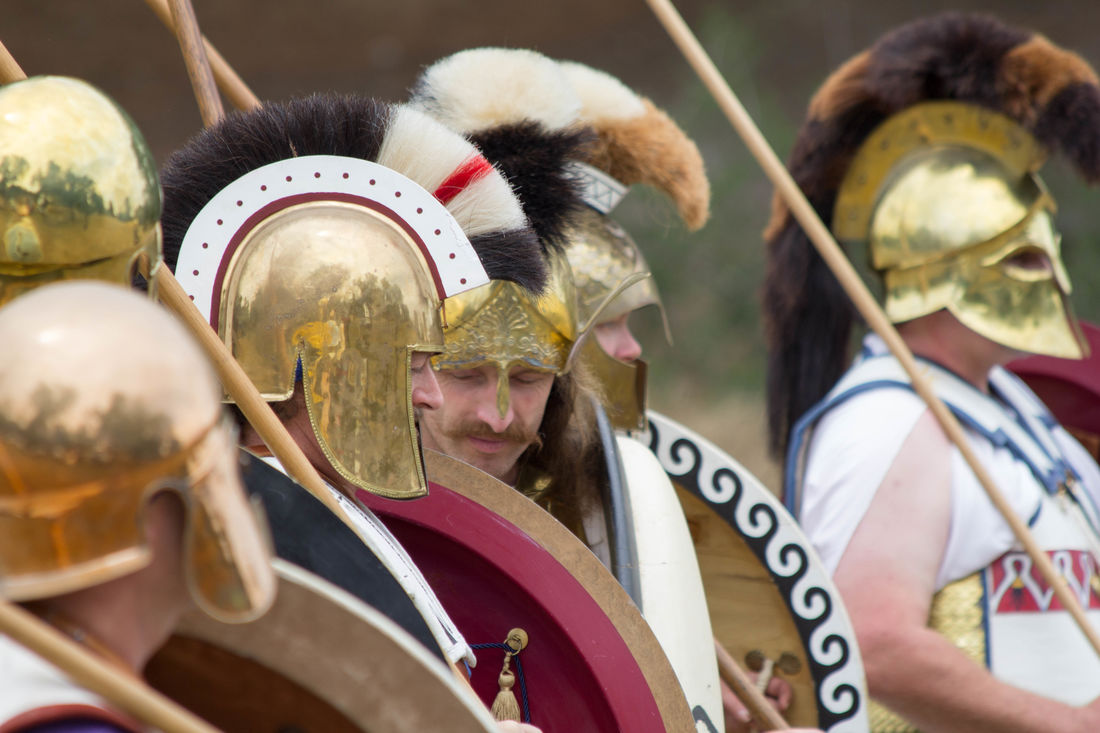
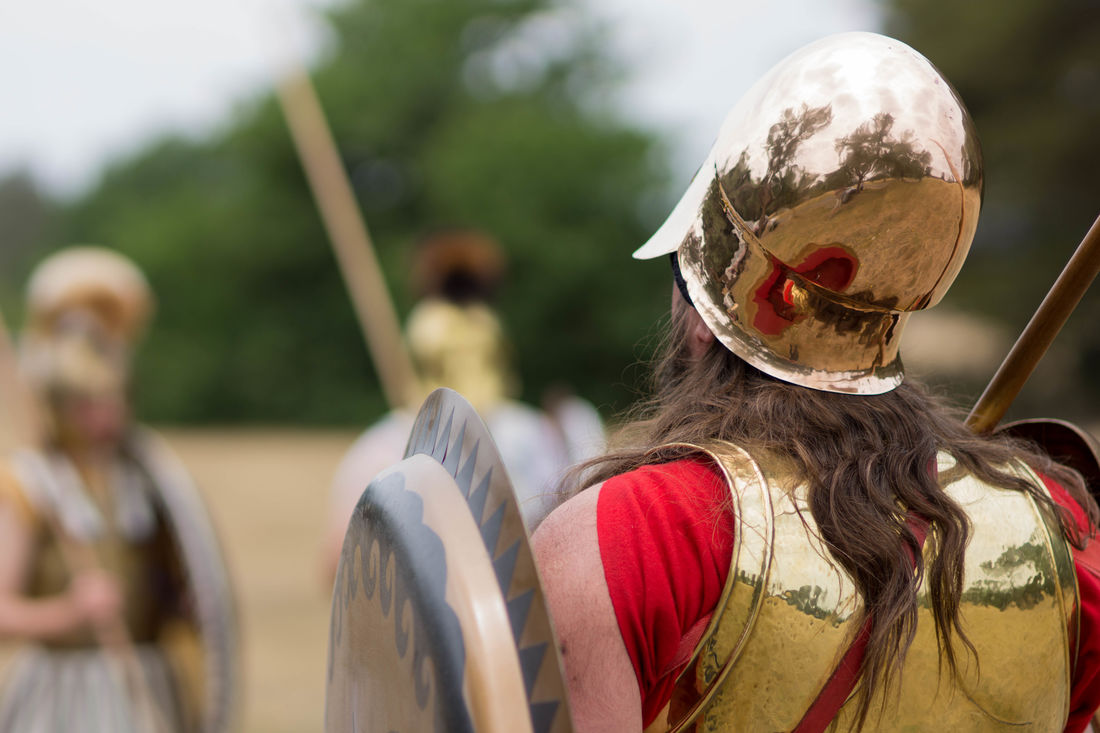
Welcome to the Ancient Hoplitikon of Melbourne Inc.
ARCAIWN OPLITIKWN MELBOURNHS Inc. No: A0052728M
Introduction
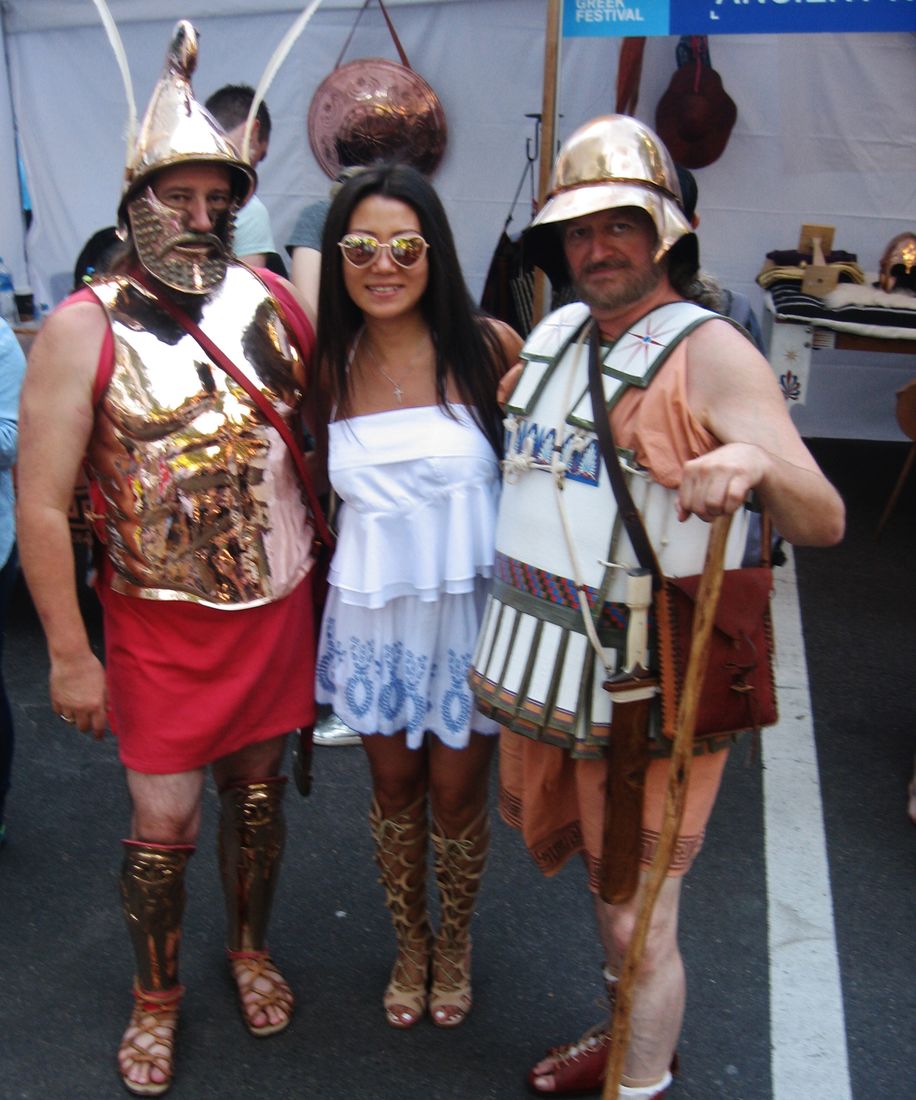
The Ancient Hoplitikon of Melbourne is a member of the Australasian Living History Federation (ALHF). It is made up of people, individuals from all walks of life that join together with a devotion both to their craft and to the people around them, be they fellow participants or the public.
Our Focus
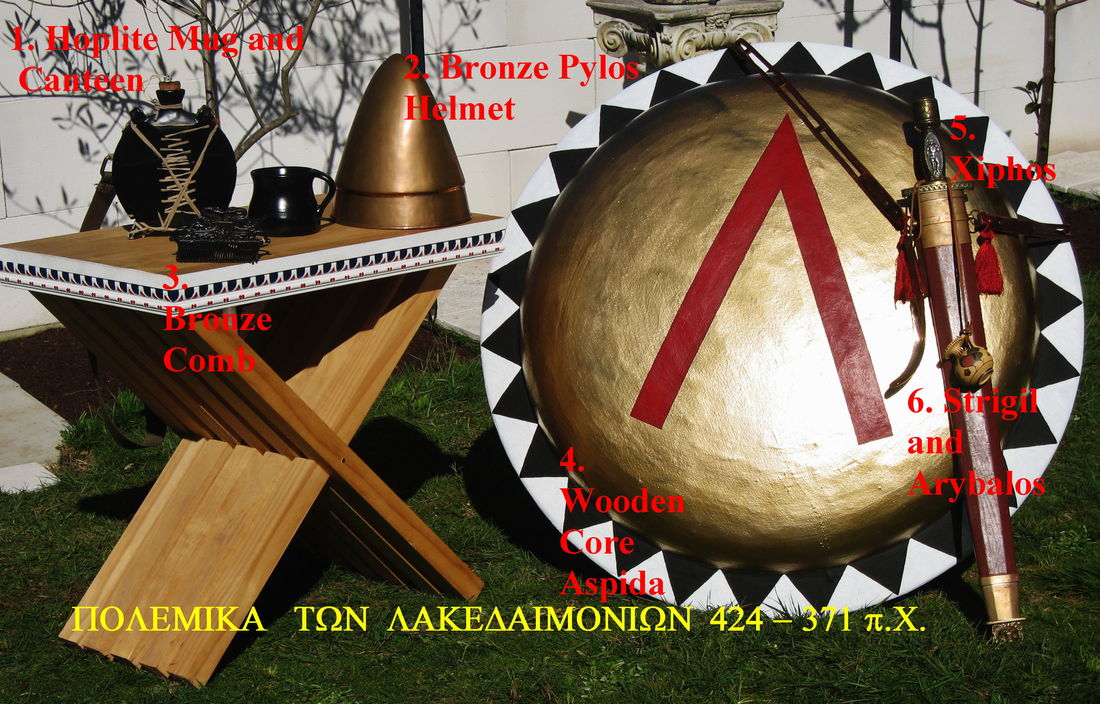
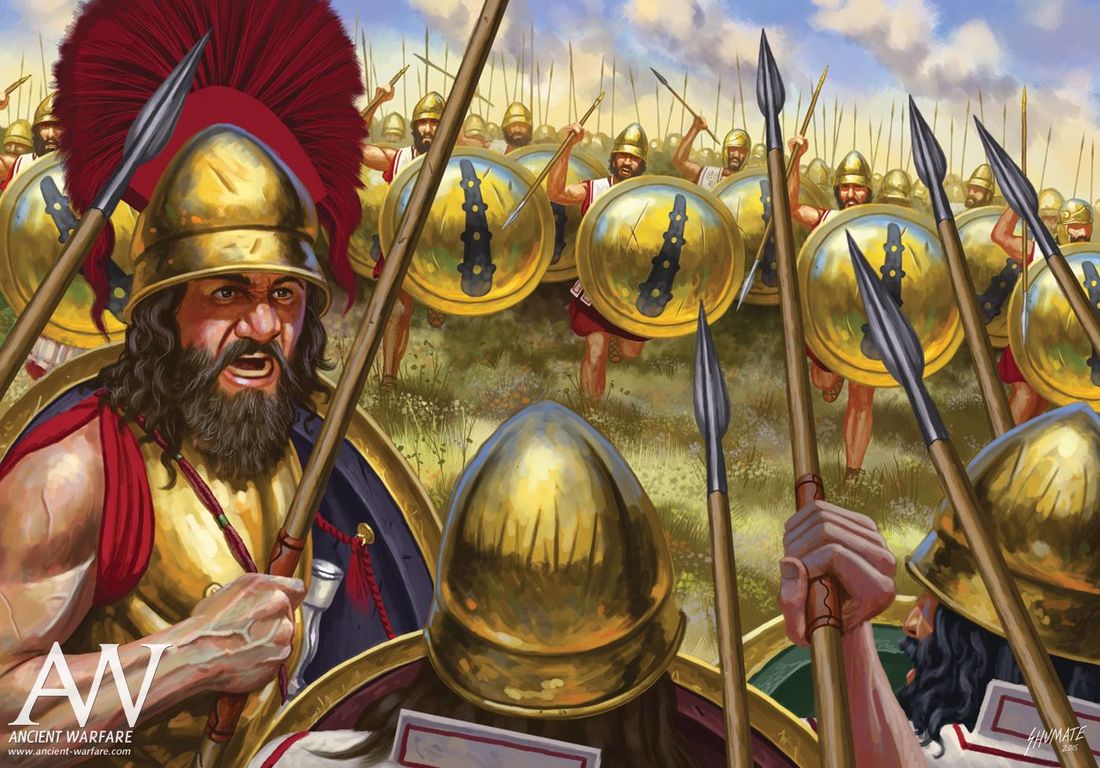
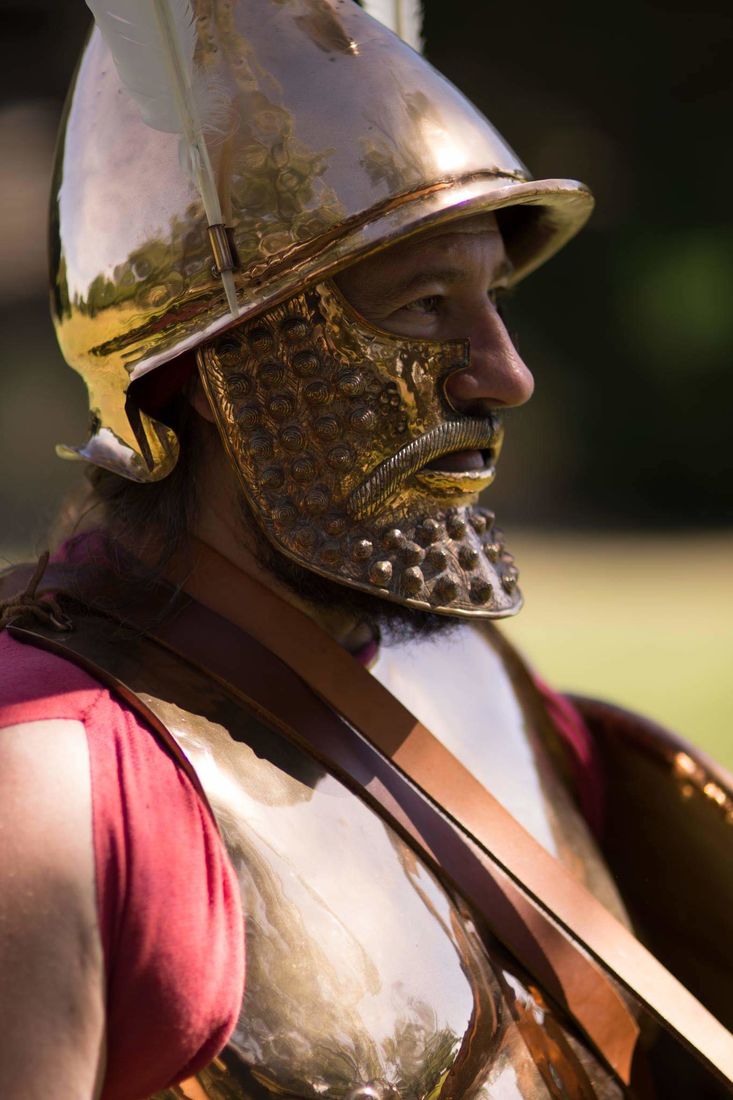
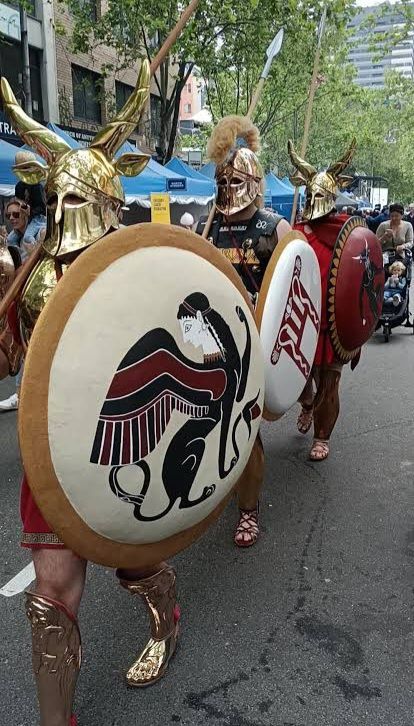
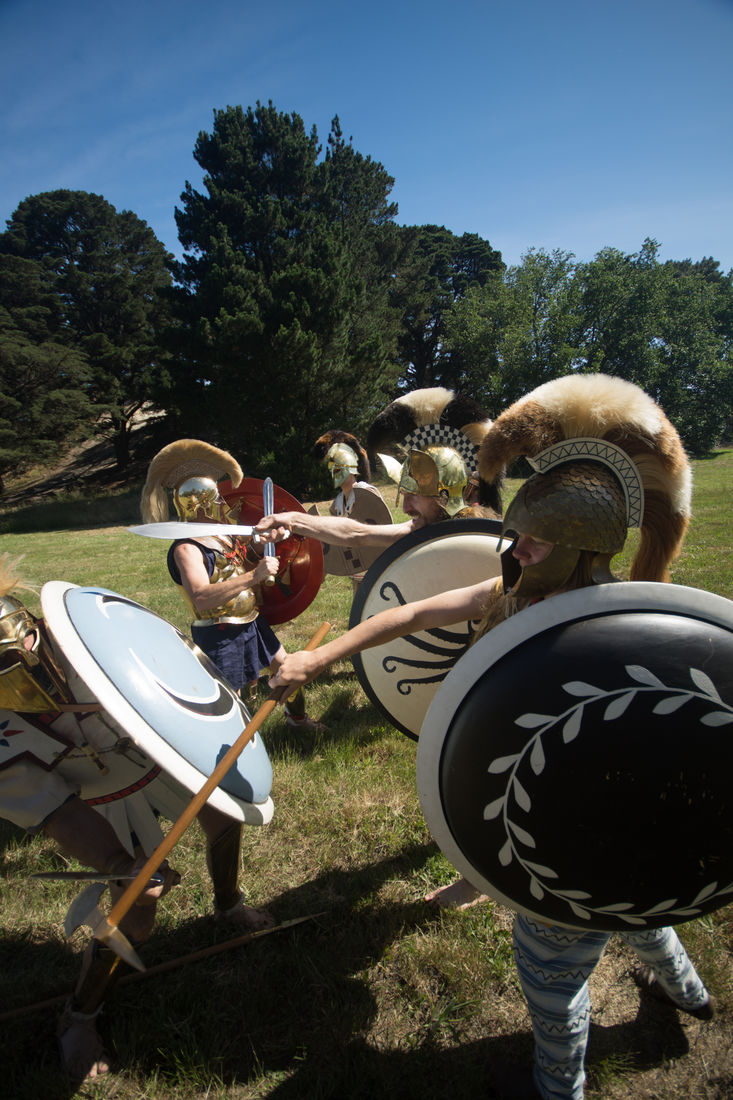
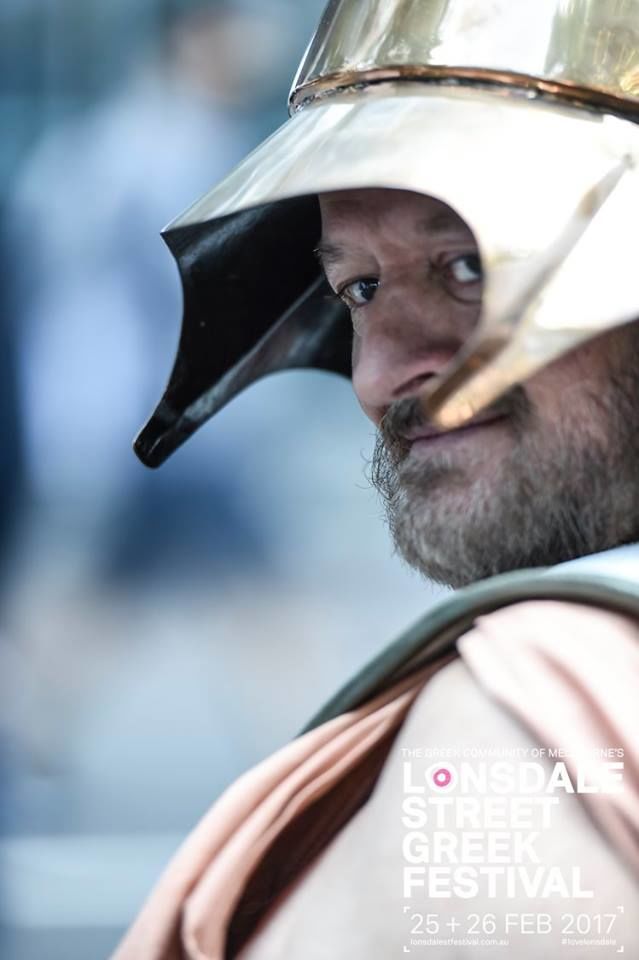
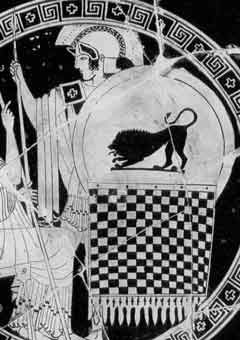
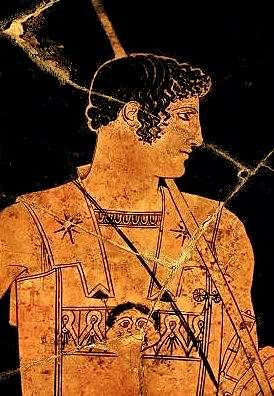
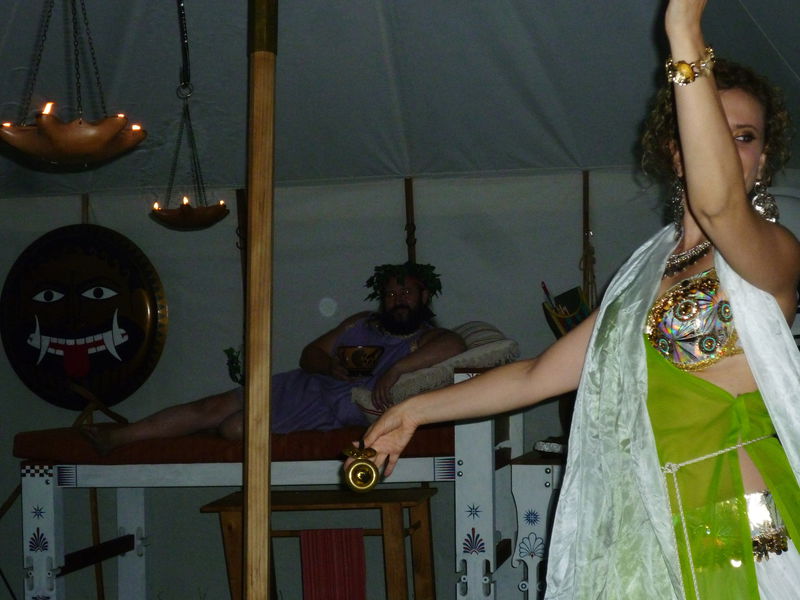
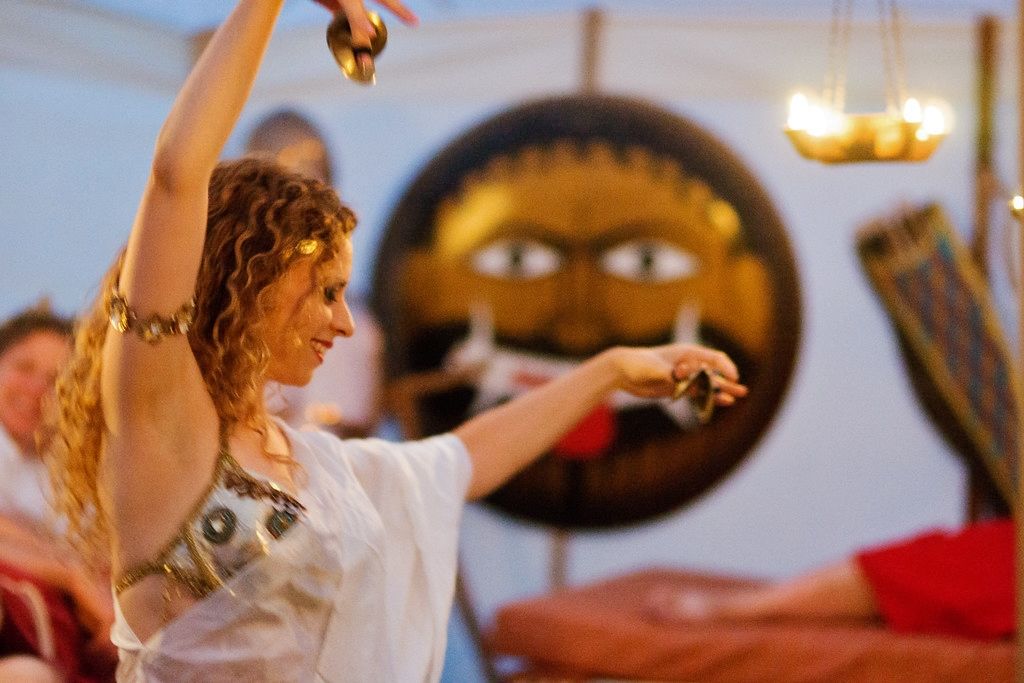
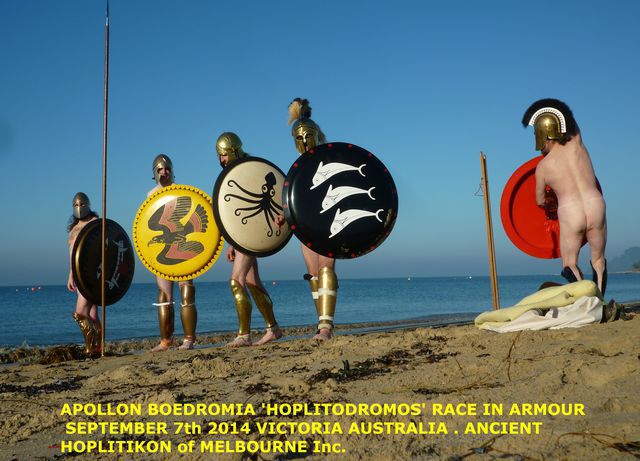
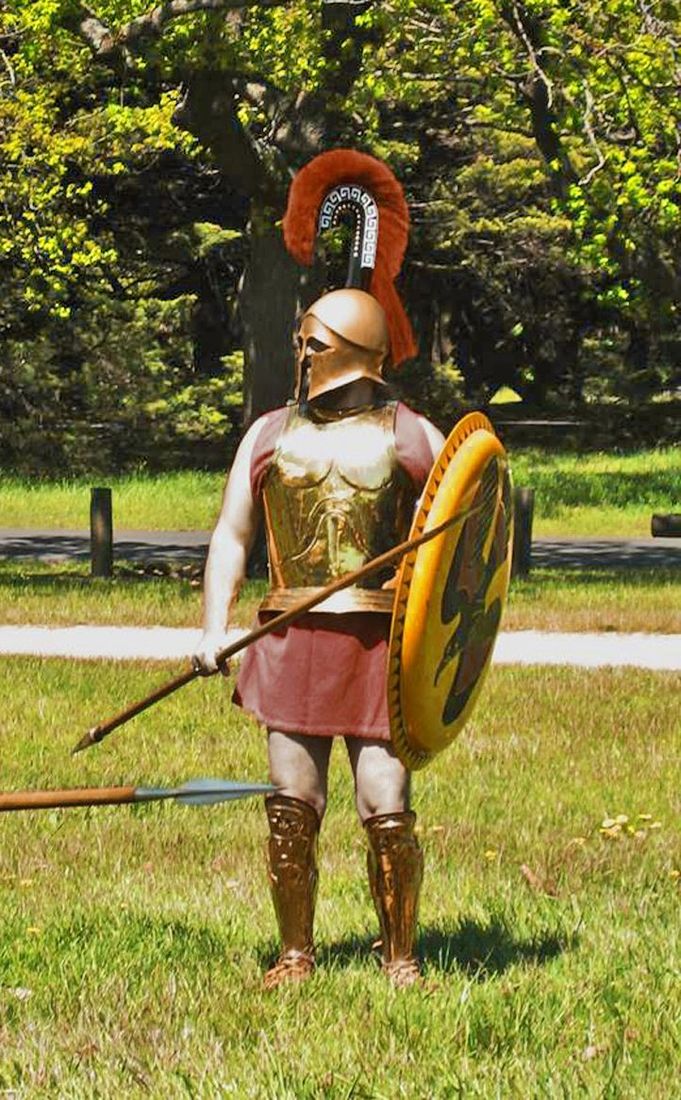
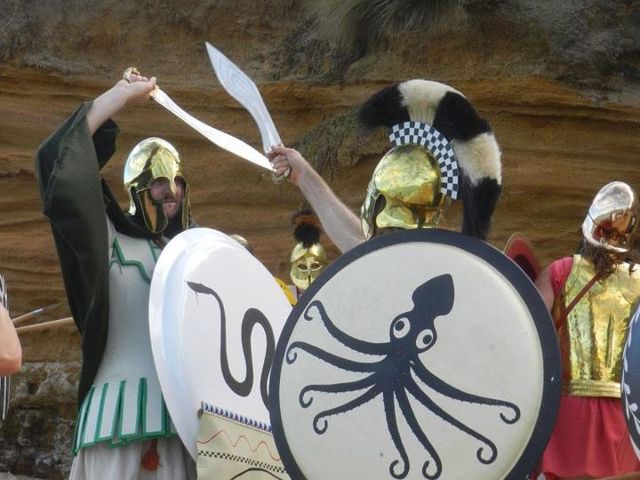
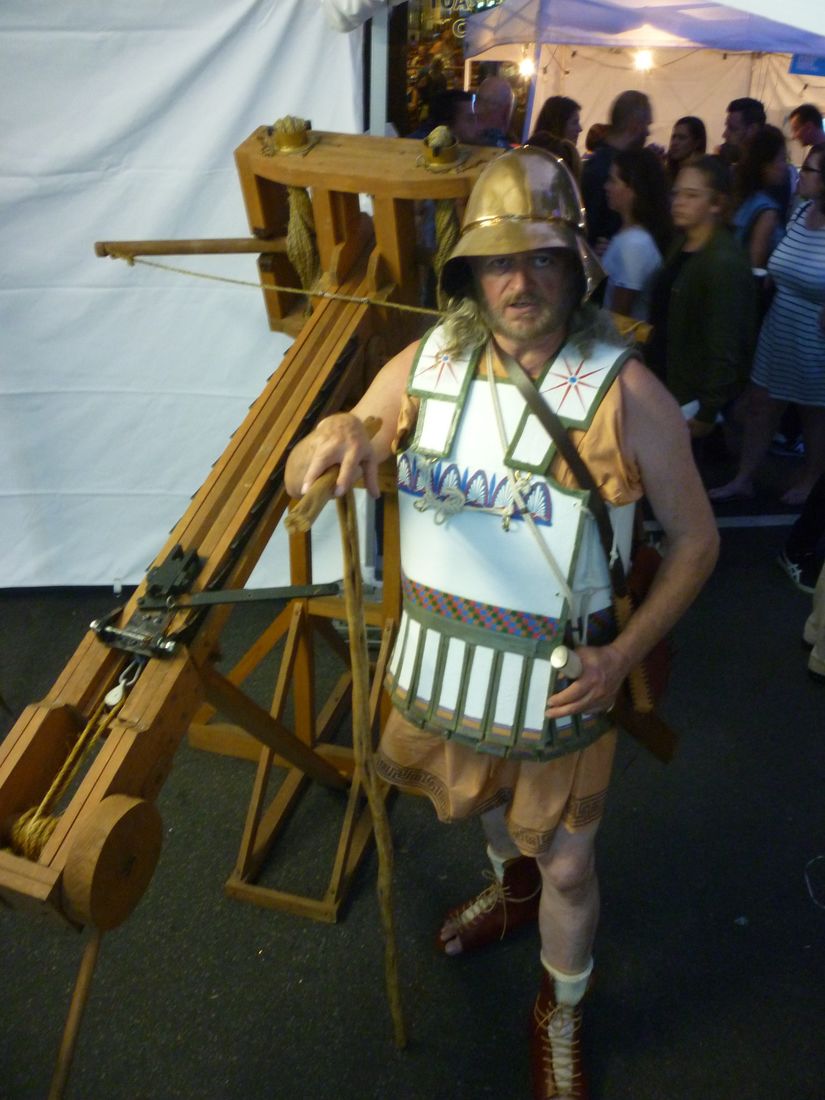
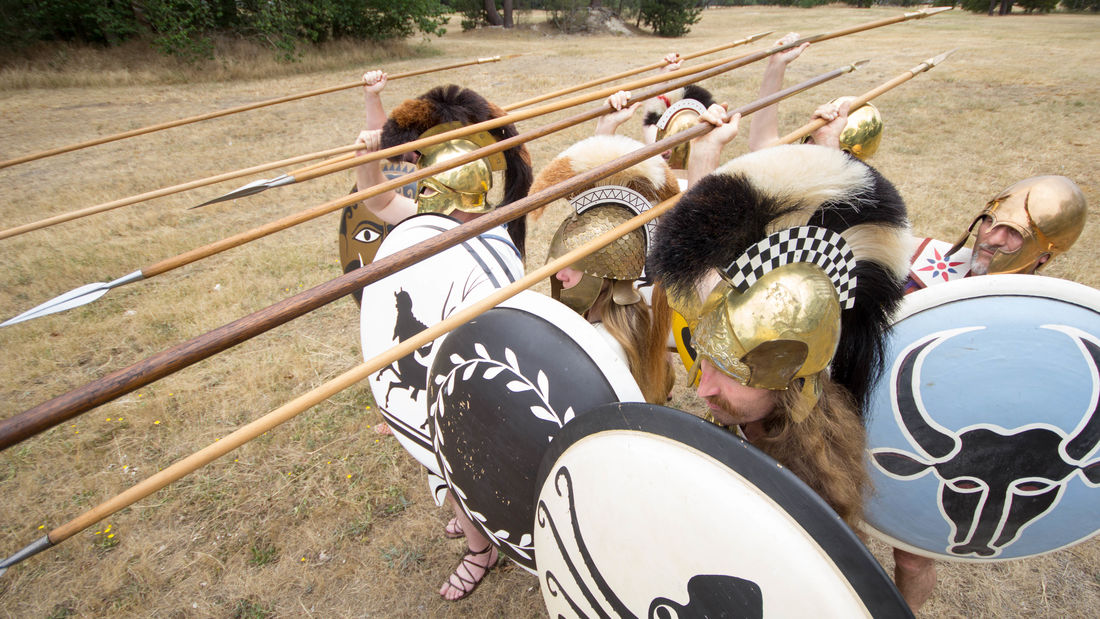
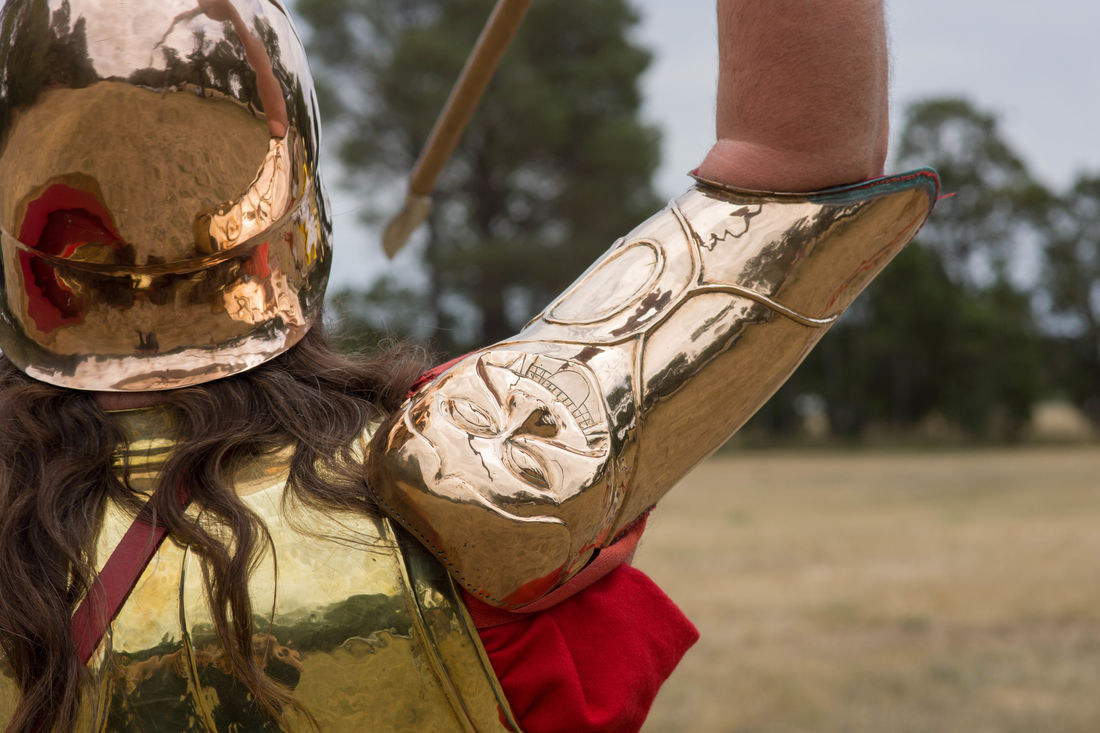
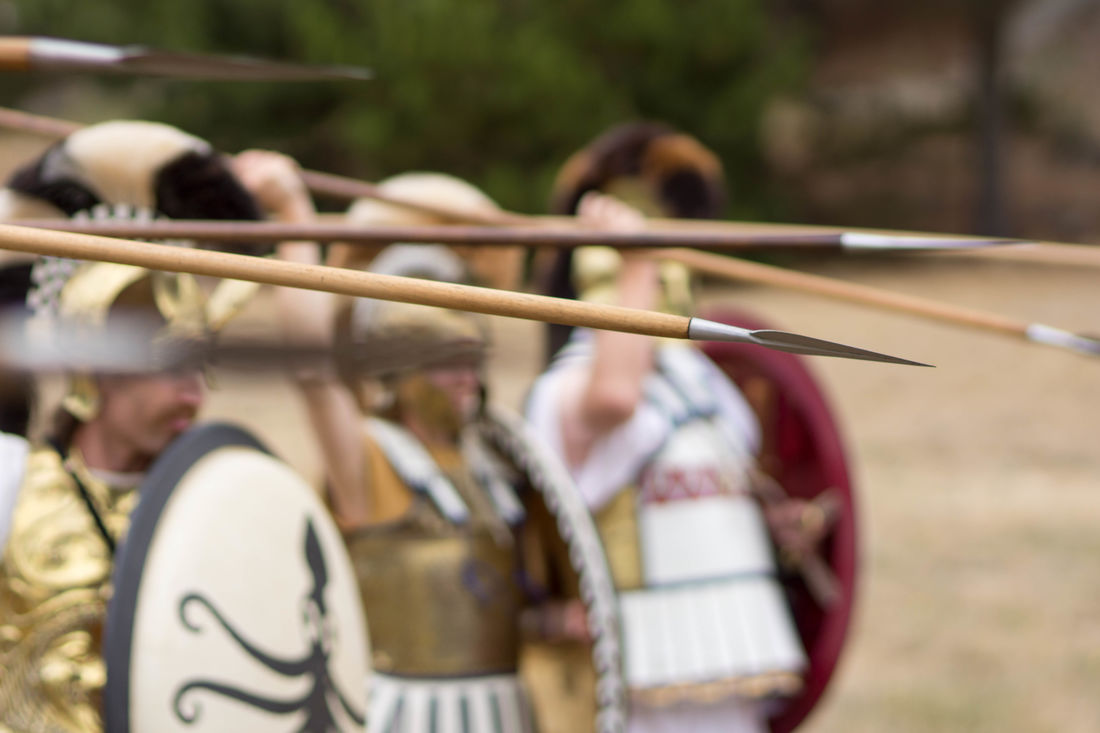
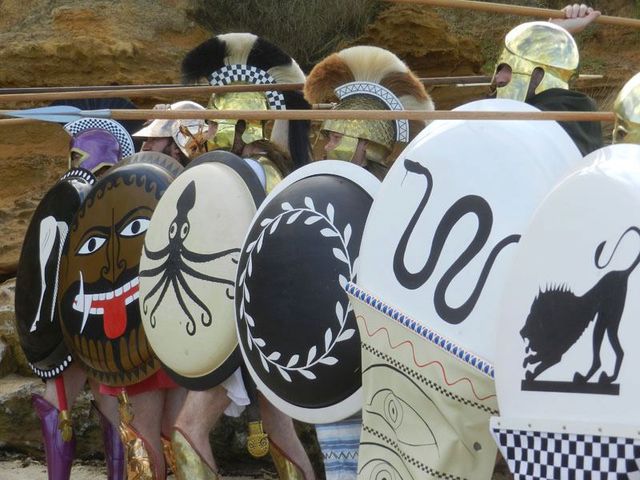
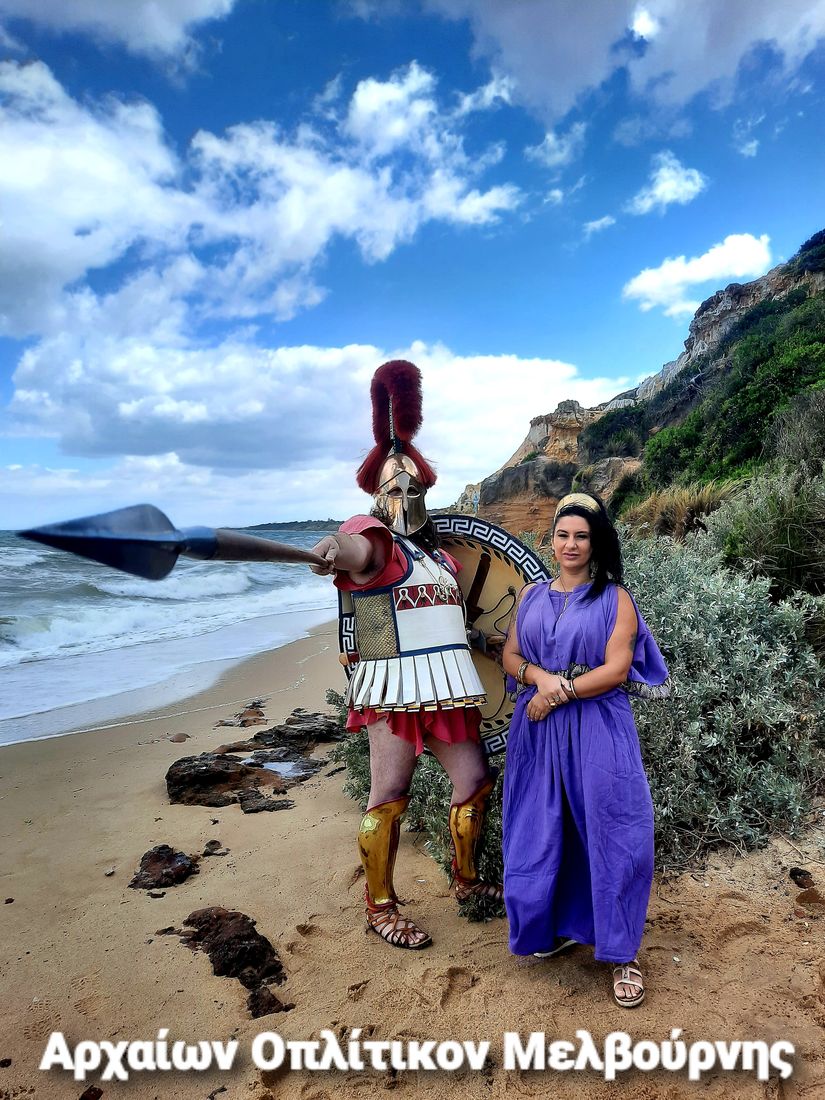
The Ancient Hoplitikon of Melbourne are a group of people who are located in Melbourne and the state of Victoria who specialise in Ancient Classical and Hellenistic Greek re-enactment. The group's focus is to study, replicate and perform with military and civilian equipment from the period of 600-100 BC.
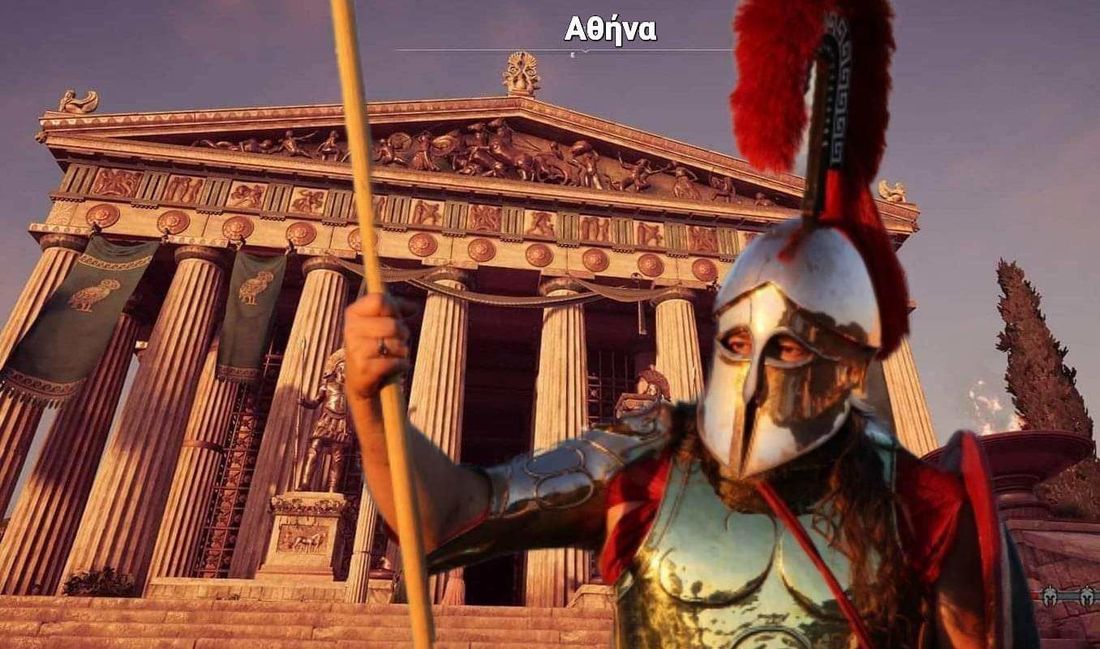
We pride ourselves on the fact of having realistic and internationally updated knowledge on Ancient Greek culture of this period. Together with our companions/associates the Sydney Ancients, we have made professional appearances in film and international commercial advertisements using the unique Greek Hoplite Warrior imagery.
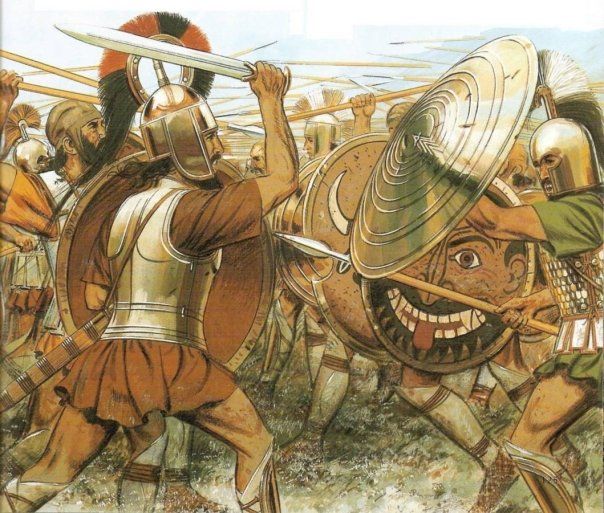
A major aim is to make aware to the general public that Greek culture not only lead the ancient world in philosophy, democracy, art and citizenship but also the genius of military prowess, arms technology and application on the ancient battlefield. This ability and determination to repel invaders over the centuries earned great respect and enabled Greek culture to flourish and spread through the Mediterranean world, inspiring the emerging Roman Republic.
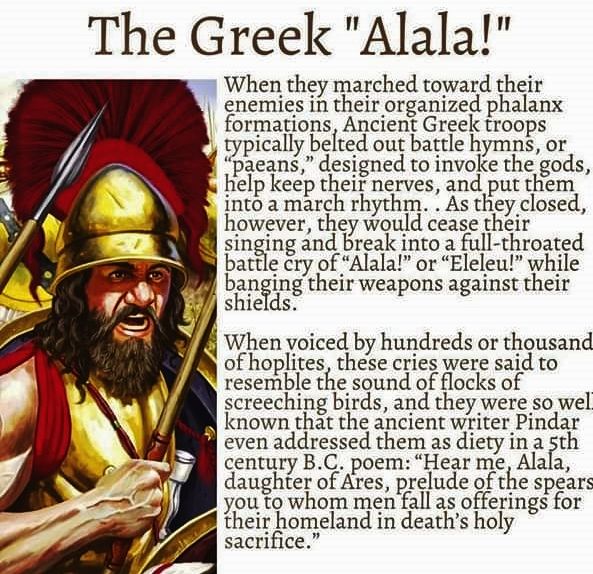
The Greek Hoplite Warrior seems to have international appeal and encapsulates the beginnings of early European cultural determination and sense of galvanizing order out of chaos. School children or adults who may or may not have been exposed to literature of the Illiad, Odysseus or Alexander the Great can easily identify with this imagery and instantly recognize the symbolism of Greek struggle for independence and freedom.
Citizenship( PolithV ) - OplithV... Victor Hanson asserts, that "Western Warfare starts out with the Classical Greeks as an ethical practice to preserve society". The Hoplite Citizen was revered by his society, both as it's protector and a living expression of democracy in action.Military duty was viewed as a direct reflection of the political right's enjoyed by the states citizens. The ever vigilant citizen hoplite who alone in the Mediterranean had clear legal rights to land tenure, property inheritance and his own arms, was as Plato describes, "Engaged in a permanent undeclared war with every other state".Warfare pervaded all spheres of Greek Culture, in tragedies and comedies, art, philosophy, politics and integral to their religion, the Pythian, Isthmian, Nemean and Olympic Games.Written constitutions appeared in the great majority of city states and their colonies, ensuring the spread of government by consensus of landed peers.The Polis was the definitive Greek form of the state; The Greek imagination was full of such instantaneous foundings of cities, and as from the beginning nothing happened of itself, the whole life of the polis was governed by necessity.The Greek idea of the State, with it's total subordination of the individual to the general, had at the same time developed a strong tendency to encourage individuality. The theory was that freedom and subordination ought to have been harmoniously fused into a unity.Yet since, in good times all that was highest and noblest in the life of the Greeks was centered upon the polis, then fundametally the polis was their religion. The worship of the God's found it's strongest support against alien religions, philosophies and other undermining forces in it's importance for the particular city, which had to maintain this worship exactly and in full, and the main cults were mainly the direct concern of the state. So while the polis was itself a religion, it contained the rest of religion within itself as well, and the communal nature of the sacrifices and festivals formed a very strong bond among the citizens, quite apart from the laws, the constitution and public life they shared. Because all this is offered by the state and only by the state, it is perfectly clear why the Greek needs no church, why, in order to show piety in his own way, he need only be a good citizen; why there is no question of hierarchic rivalries, why the highest cult official in Athens, the Archon Basileus, is a state official, and why, finally, it is an offence not only against the duties of a citizen, but also against loyalty to the faith, to worship the God's in any rites but those recognized by the state. The achievements and legacy of Greek civilization can be assessed under many heads, and yet, the most significant contribution was probably an attitude of the mind and political life rather than works of art and literature. However, Ancient Greece was the most literate of all Ancient Cultures, from epic and lyric poetry, public and private, on themes of state, war, humour and love. It remains true that no other ancient people exhibited such a wide range of genius or left such a vigorous legacy.
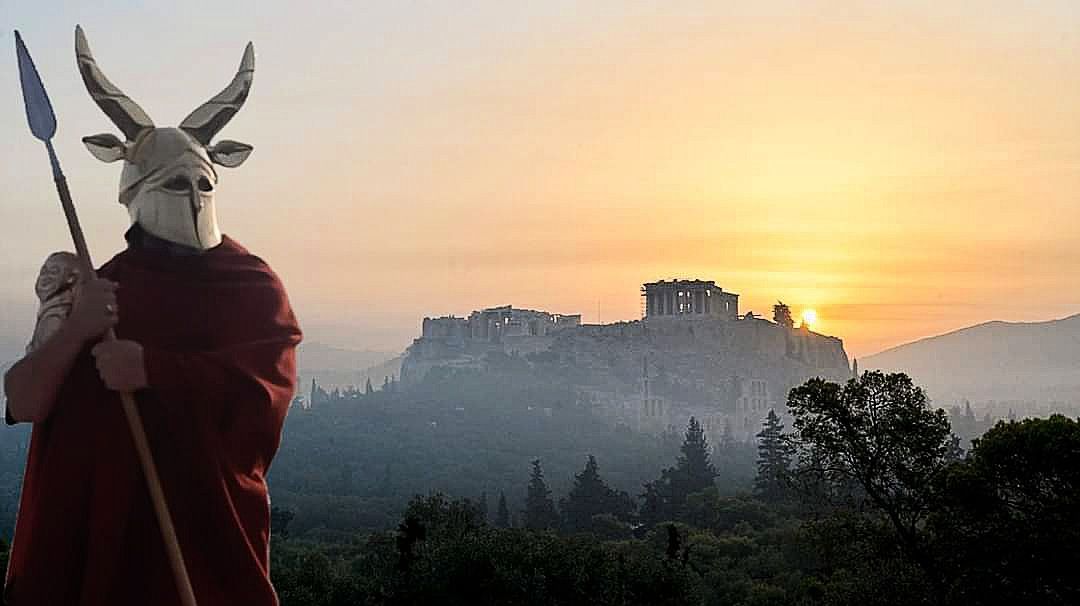
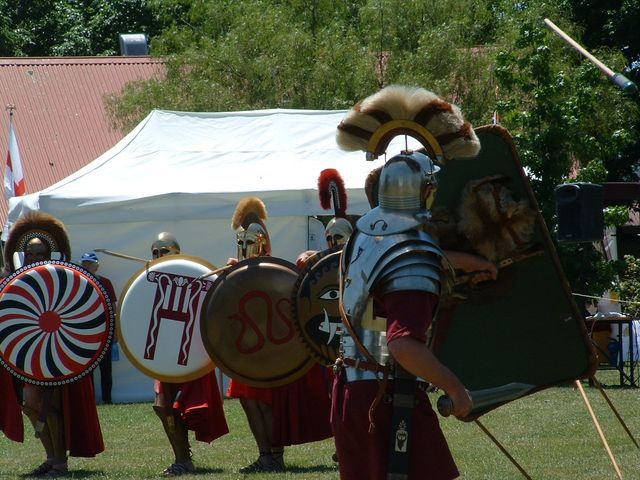
GRAVIS ARMATURA Is the (Latin) Roman version of the Greek "HOPLITIKON", meaning, The heaviest armed part of the Phalanx.
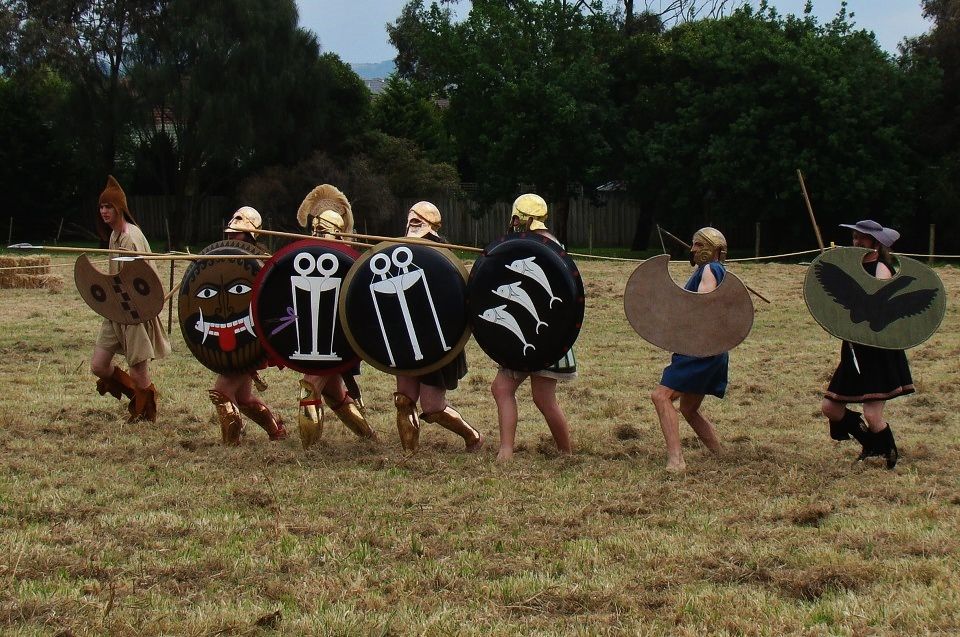
THRACIAN PELTASTS The Ancient Hoplitikon of Melbourne, has developed a new but vital extention to our Phalanx. The Peltast was a lightly armed missle troop, the name derived from the shield, the "Pelta" which was frequently cresent shaped. Wearing the characteristic Thracian Cap and high boots, Peltast's acquired such a deadly dexterity that hoplite units could not withstand them in combat. Our approach is to multi skill our members so that a balanced measure of well trained troops can operate as Hoplites and Peltast's.
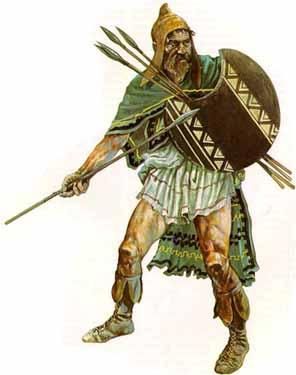
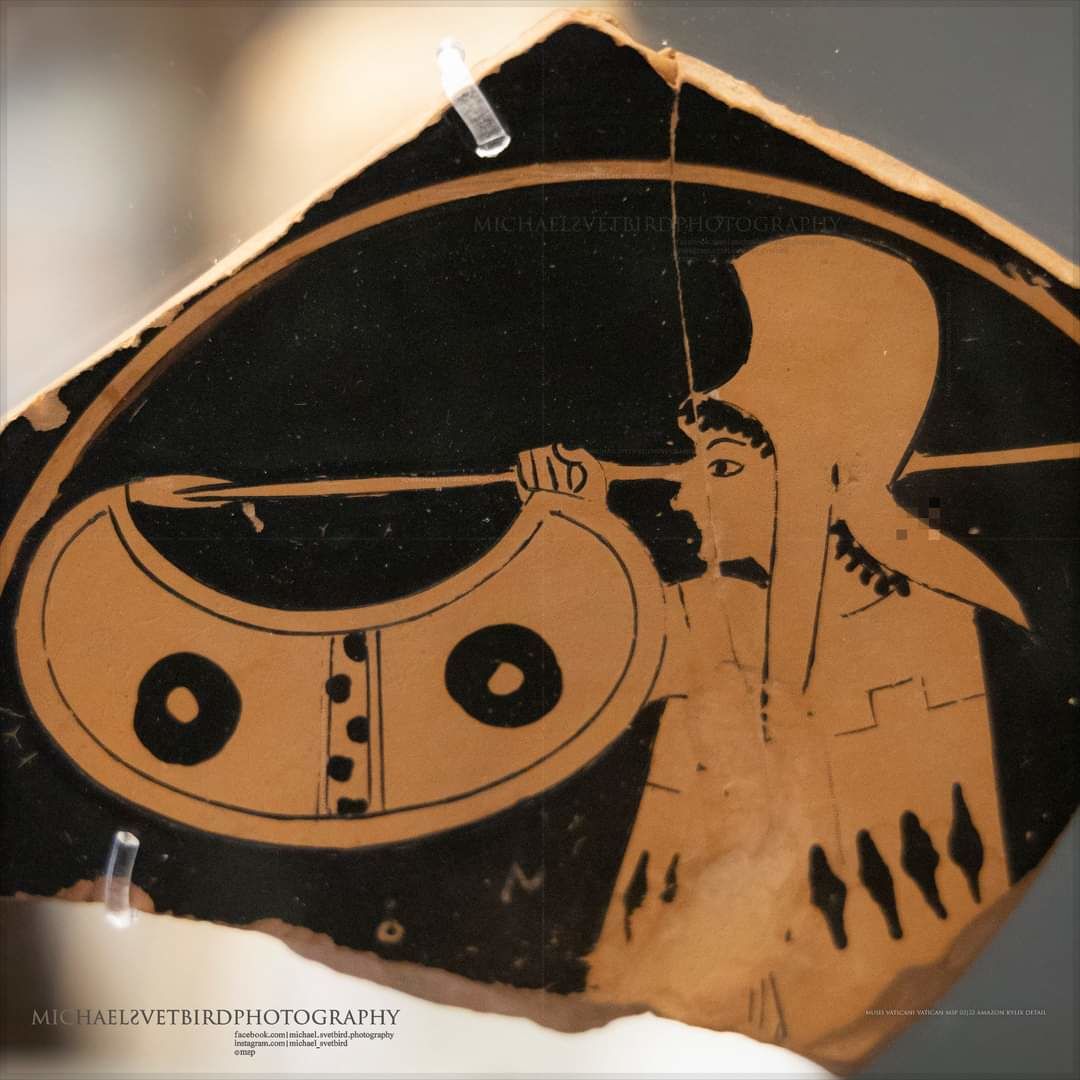
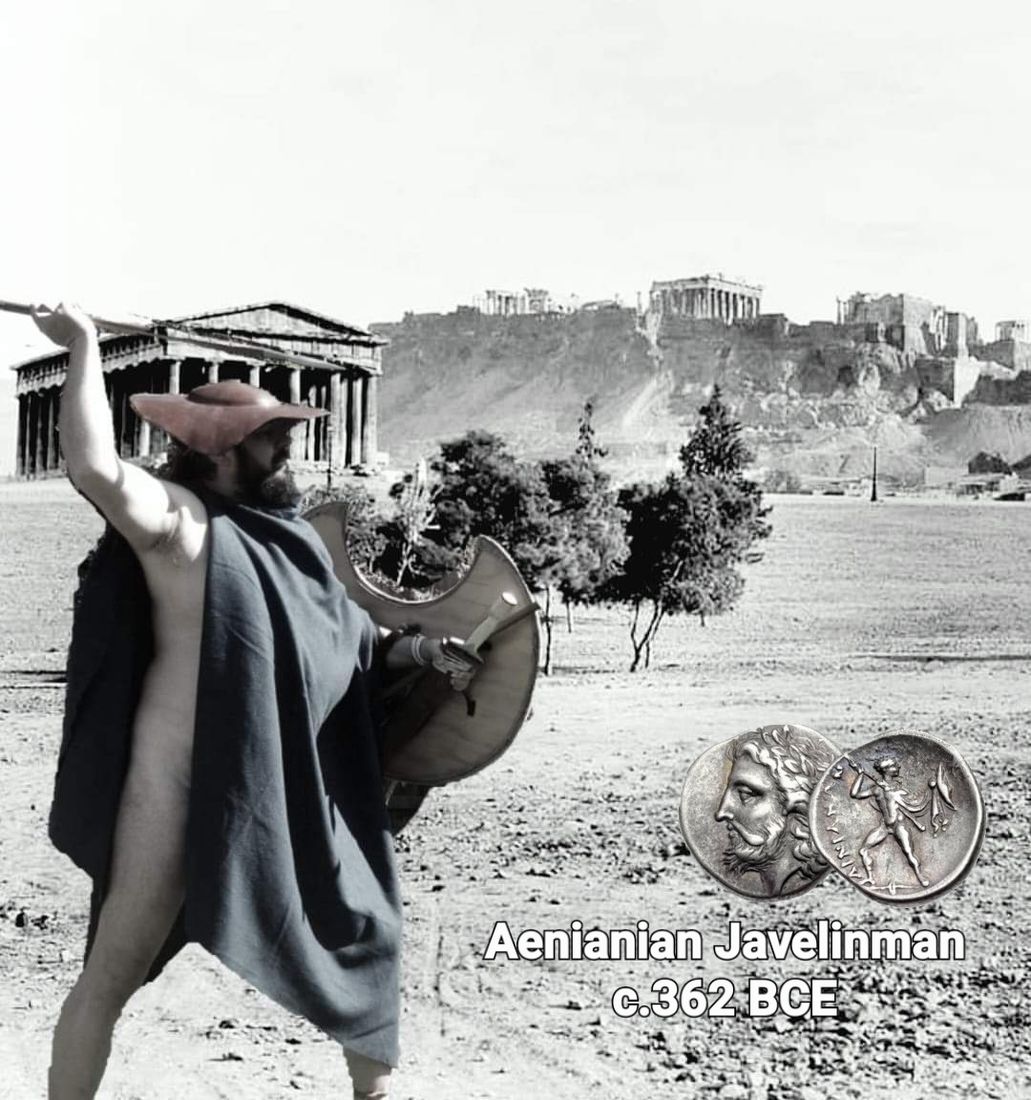
The Aenianes were a tributary people of the Thessalians who supplied the Thessalian League's Army with Skirmish troops.
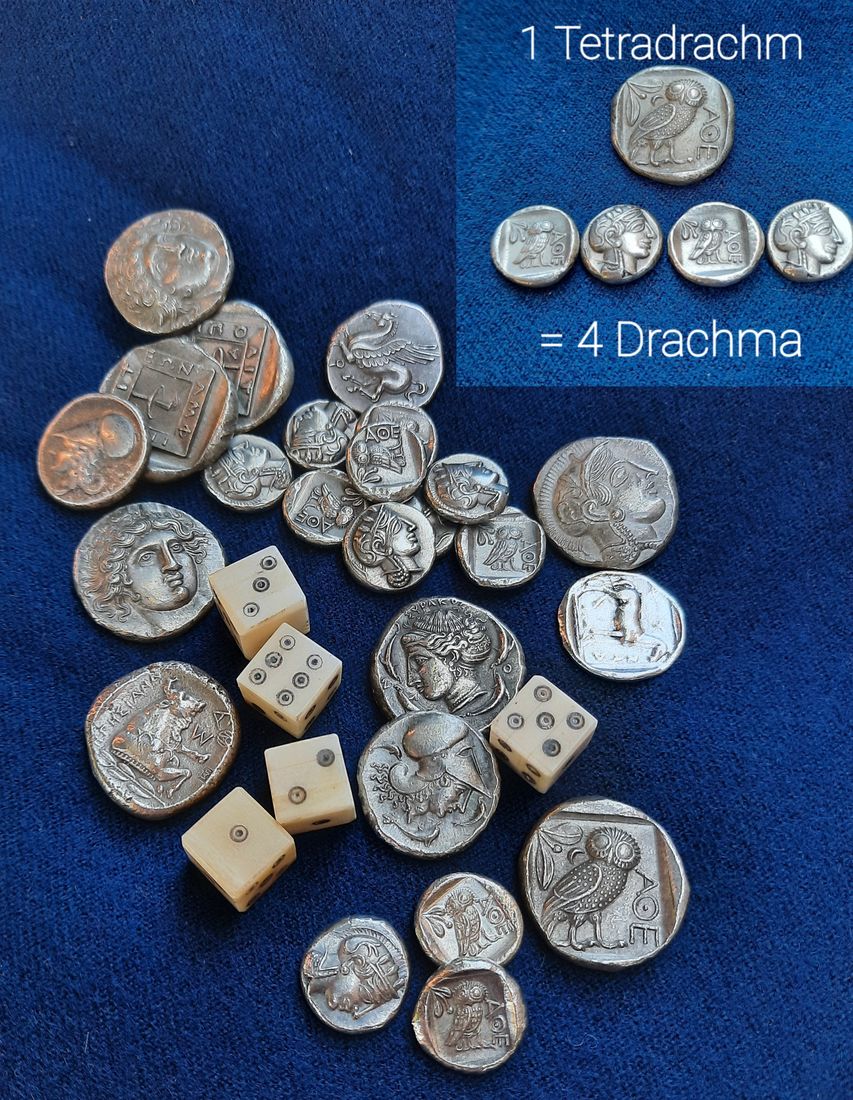
Plutarch writes (Quest Graec12) that the Ainianians were once expelled from Thessaly by the LAPITHS to wander the Greek Peninsula until they finally settled in the Upper Valley of Sperchelos. According to Plutarch, when the Ainianians finally settled in what would become Ainis, the land was already occupied by the Inachians and the Achaeans , Phemios, King of the Ainianians, however, killed Hyparchos King of the Inachians with a stone while the latter had his head turned, thus winning the region for his people. The Ainianians struck coins in Hypata with the Head of Zeuson the obverse and the Legendary king Phemios on the reverse.
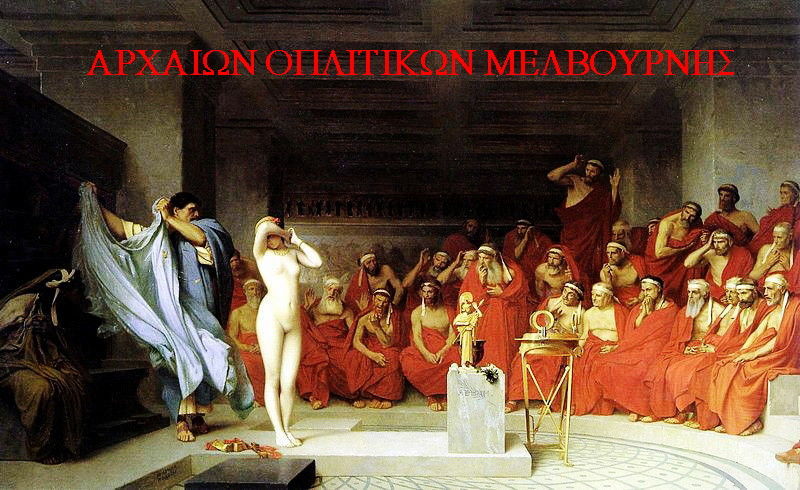
PHRYNE FRUNH Before the AREOPAGUS by Jean-Leon Gerome c.1861 . Ancient Greek Courtesan (Hetaira) on trial for impiety 4th century BCE. Phrynes real name was MNESARETE (Mnhsareth) - "Commemorating Virtue". But owing to her yellowish complexion, she was called Phryne - TOAD, most prostitutes and witches were called by this name. More information via this link: https://en.m.wikipedia.org/wiki/Phryne
The Ancient Hoplitikon of Melbourne Inc.
Aims and Objectives of the Association
1. To provide a focus for people interested in historical re-enactment / recreation. The core area and period of the Ancient Hoplitikon of Melbourne Inc. is it's allies and enemies, during the 6th, 5th, 4th and 3rd Centuries B.C.E.(Before Common Era)
2. To encourage the study, experimentation and practice of any branch of knowledge relevant to the Associations focus.
3. To create and maintain channels of communication amongst members, other recreation groups, educators, Government and Business Communities.
4. To provide opportunities and venues for members to practice, display and teach the skills, arts, European martial arts and crafts which they pursue.
5. To make our recreation as realistic as possible without compromising safety, integrity, the law or personal enjoyment.


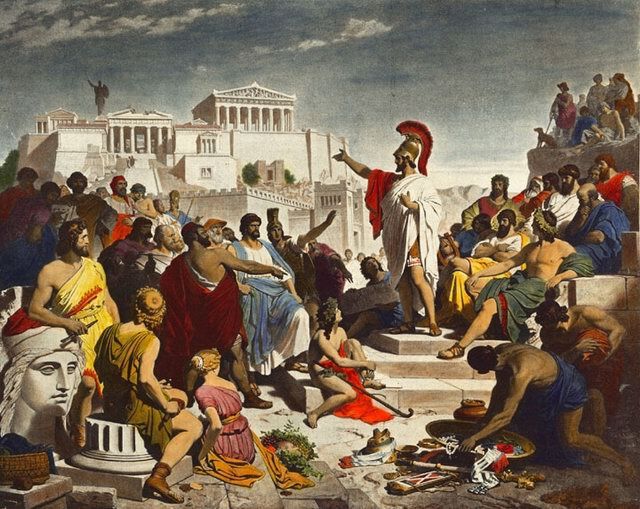
As Ancient Greeks knew, frankness is an essential virtue......
PARRHESIA , ( PARRHSIA, parrhsia)
Etymology of the word, it implies not only freedom of speech, but the obligation to speak the truth for the common good, even at personal risk. Every male Athenian Citizen enjoyed an equal right to speak on all subjects discussed in the popular assembly. The history of Parrhesia demonstrates that it's still an open question whether it should be based on a right attributed to every citizen or a virtue of the better-educated. Parrhesia developed into the virtue of the elite, and especially of philosophers. They could do this in public, but their main focus was personal relationships. Thus frankness became an interpersonal virtue or political virtue.
https://en.wikipedia.org/wiki/Parrhesia
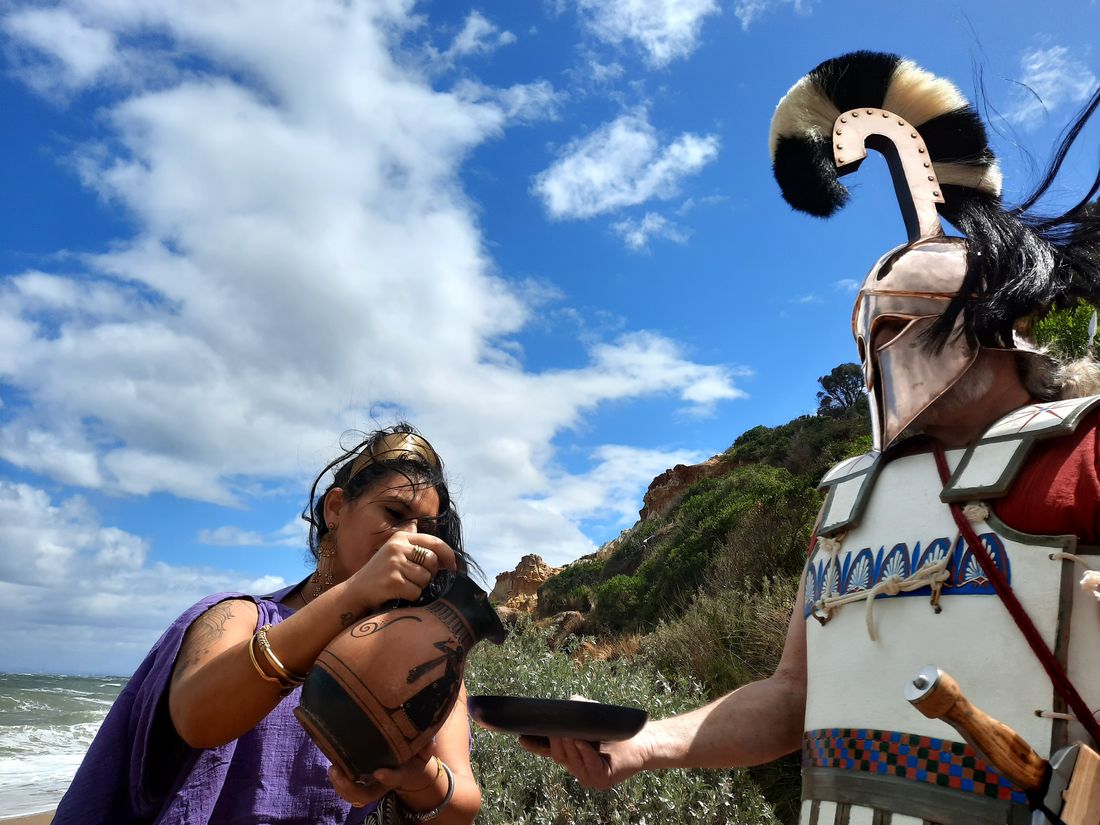
H agaph pou ecei kaneiV gia thn patrida tou, proercetai apo thn agaph pou enoiwse gia thn mhtera tou sthn paidikh tou hlikia.
PuqagoraV
The Love one has for there country comes from the love you felt for your mother in childhood.
Pythagoras
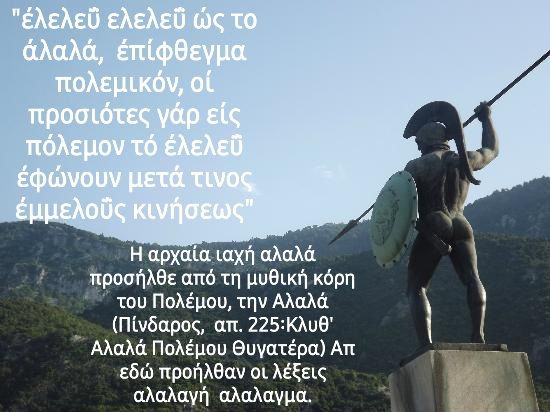
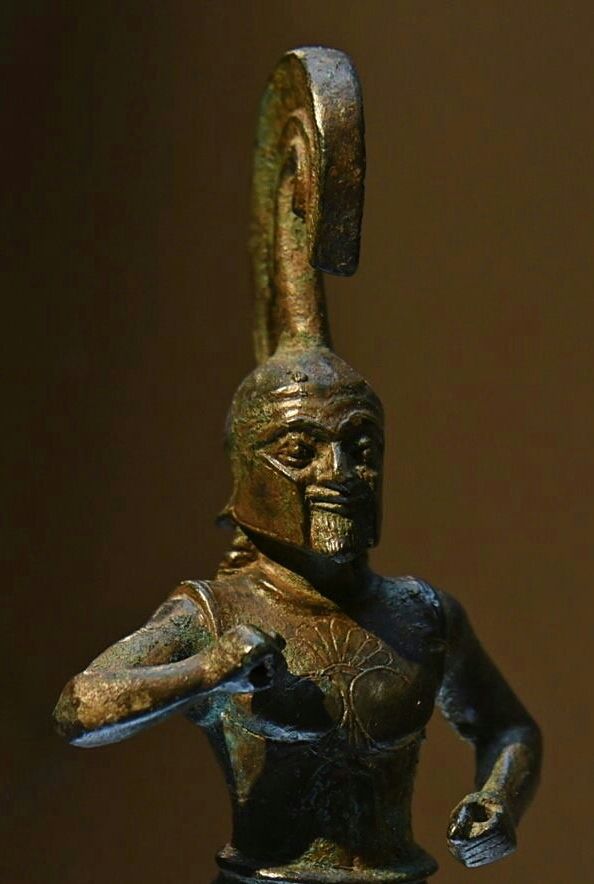
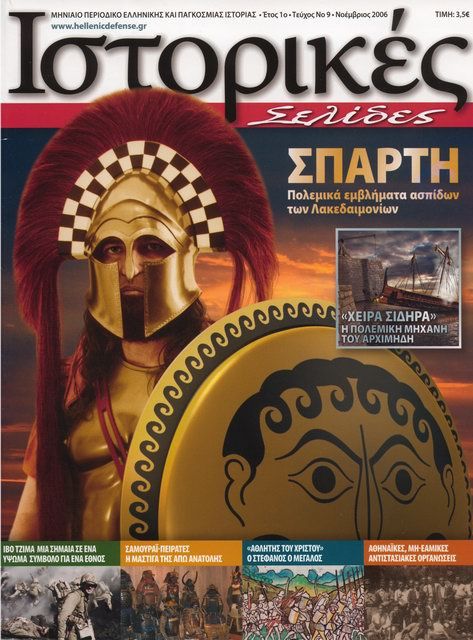
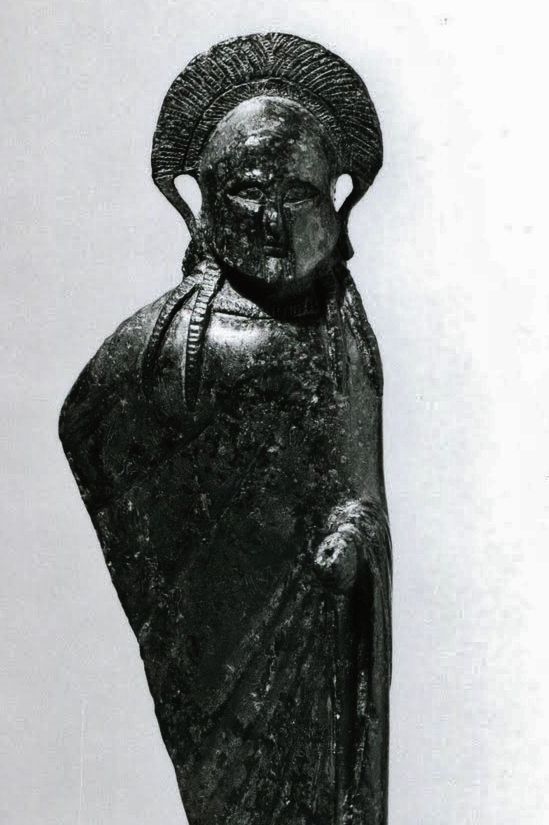
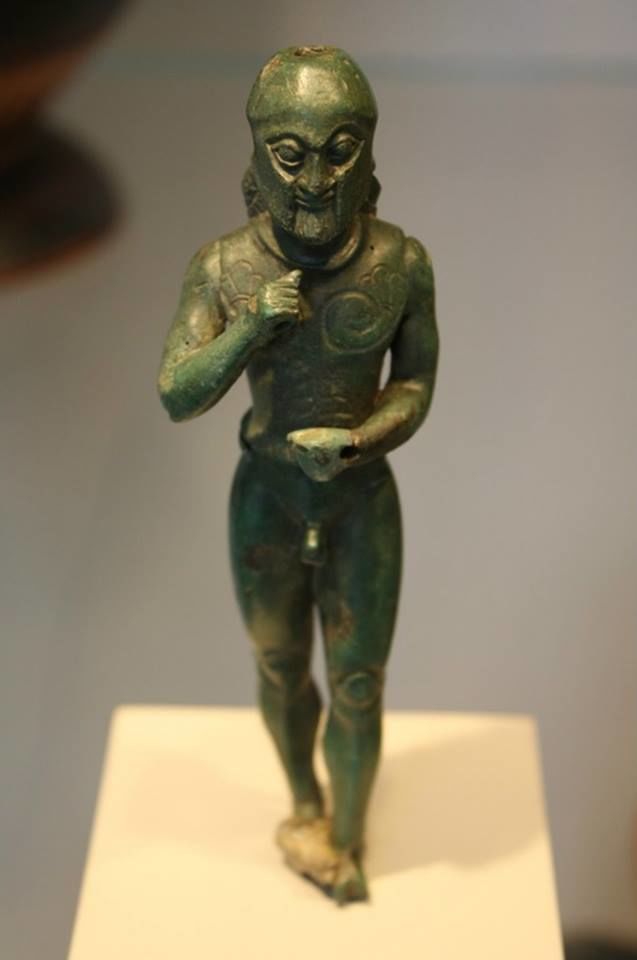
Wadsworth Atheneum Museum of Art , Bronze Greek Draped Warrior, 510-500 BCE . Spartan Officer with Transverse Crest